
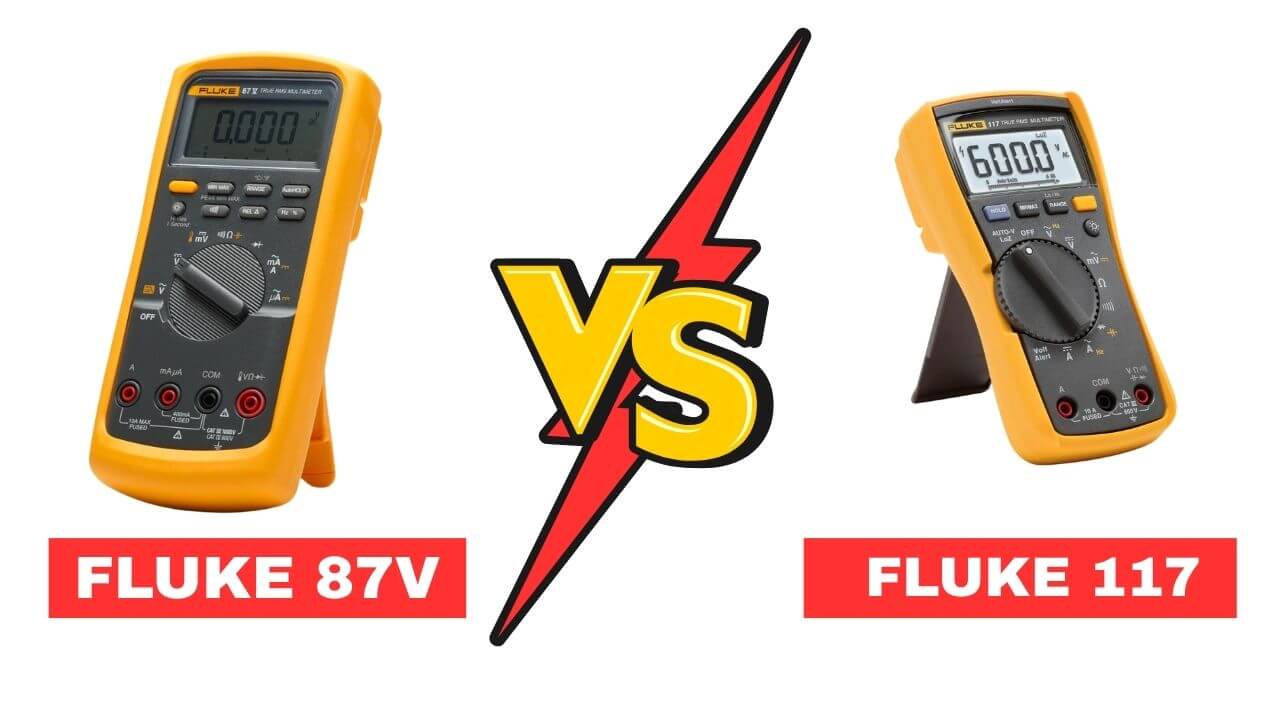
Working on hard electrical tasks takes a lot of care. You need a trusted tool in your hand to work well. The Fluke 87V Vs 117 choice matters for your daily jobs. This guide points out the exact facts to help you pick the right one.
Heavy tasks need highly capable gear. Look at the big meter now.
Fluke 87V Review
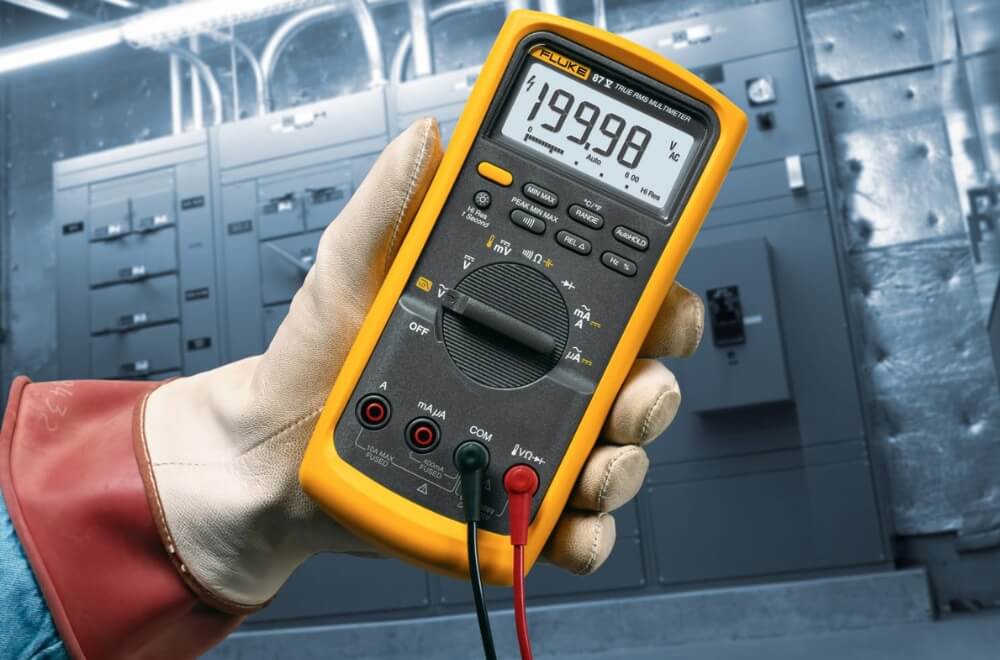
The 87V handles rough shop floors and complex motor drives. It is designed for industrial troubleshooting, motor drives, and demanding electrical systems. Reviewing the main traits helps you decide fast.
Pros and Cons
Look at the good and bad parts of this tool. These facts guide your smart choice.
| Type | Feature | Practical Impact |
| Pro | Low-pass filter | Tests motor drives well. |
| Pro | High display counts | Shows tiny power shifts. |
| Con | Price tag | Costs extra upfront. |
| Con | Learning curve | Takes time to master. |
Daily plant work demands high reliability. See how it acts on the job.
Rough Shop Tasks
You walk into a loud plant room with motor drives spinning. The low-pass filter helps provide more accurate readings when troubleshooting variable-frequency motor drives. The high-resolution display and backlight make measurements easier to read in dim work areas.
Troubleshooting complex plant gear feels smooth and controlled. You can also measure frequency when troubleshooting automated equipment and motor-drive systems. Its rugged design is suited to demanding industrial environments. The tool works hard for your daily shifts.
| Task | Tool Feature | User Benefit |
| Motor test | Low-pass filter | Exact readings |
| Dim space | Bright screen | Clear view |
| Daily wear | Rugged case | Lasts longer |
Match your daily work to the right tool. See who benefits the most.
Recommendation
See who gets the most from this specific tool. It fits tough daily needs perfectly.
| User Type | Recommendation | Reason |
| Industrial workers | Good Fit | Handles plant machines well. |
| Home users | Not Ideal | Offers extra unneeded features. |
| Motor techs | Good Fit | Tests adjustable speed drives. |
| Beginners | Not Ideal | Too complex to learn early. |
Standard wiring needs a different approach. Look at the next option.
Fluke 117 Review
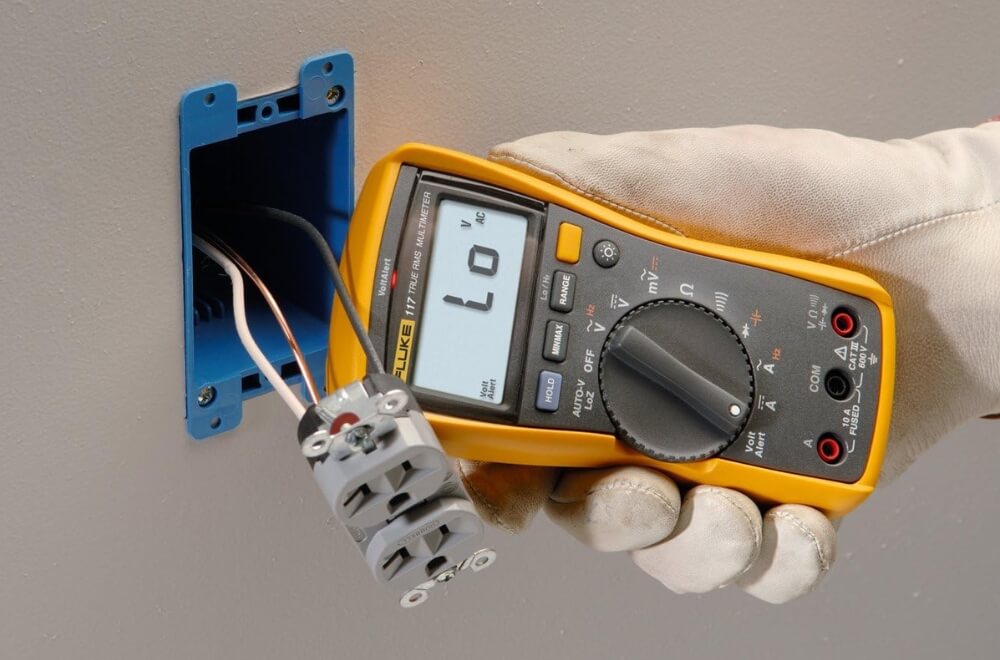
The 117 is well suited to general residential, commercial, and service electrical work. Electricians rely on it for everyday power checks and basic panel work. Checking the highlights guides your choice. Look at the fast facts below.
Pros and Cons
Check these clear points to see the main value. They show how the tool performs daily.
| Type | Feature | Practical Impact |
| Pro | VoltAlert | Senses voltage nearby easily. |
| Pro | AutoVolt | Picks correct setting fast. |
| Con | Lower max limits | Tops out at lower volts. |
| Con | Basic screen | Lacks high detail counts. |
Commercial tasks require specific features. Read about a normal work day.
Everyday Wiring Jobs
You walk into a building to check simple wall sockets. The non-contact voltage detector can help identify the presence of voltage before you begin hands-on testing. Its low-input-impedance mode helps reduce false readings caused by ghost voltage.
Moving from room to room feels very easy. The bright white LED light helps you see in dark corners. You wrap up your daily tasks with complete confidence. The tool makes your simple tasks feel very fast.
| Job Task | Tool Action | End Result |
| Wall socket | Sensor alert | Spots voltage |
| False power | Low impedance | True readings |
| Dark room | White LED | Easy to read |
Knowing your exact needs saves cash. Find out if this fits your bag.
Recommendation
Find out if this tool matches your main tasks. It works well for standard jobs.
| User Type | Recommendation | Reason |
| Electricians | Good Fit | Fast daily testing features. |
| Plant leads | Not Ideal | Needs higher limit range. |
| Trade students | Good Fit | Controls are simple. |
| Automation techs | Not Ideal | Lacks a low-pass filter. |
Putting them side by side reveals the pure facts.
Detailed Comparison for Fluke 87V Vs 117
Look at exactly how the Fluke 87V and the Fluke 117 stack up. Comparing the key traits helps you spot the right tool.
High capacity matters on the job. See how these two test true power.
Performance: Fluke 87V Vs 117
The 87V tackles large industrial motors and automated systems. It features a special filter for highly accurate drive tests. Users get precise data on complex machinery up to a thousand volts.
The 117 works best for general commercial buildings. Both meters provide accurate measurements within their specified operating limits, but the 87V is better suited to demanding industrial applications, but the high-end tool manages much larger industrial demands. Review the official product specifications for exact limit details.
| Feature | Fluke 87V | Fluke 117 |
| Max Voltage | 1000 Volts | 600 Volts |
| Low-Impedance Mode | No | Yes |
| Non-Contact Sensor | No | Yes |
Fluke 87V Rating: 9/10
Fluke 117 Rating: 8/10
Simple controls save hours of effort. Look at how they feel in your hand.
Ease of Use: Fluke 87V Vs 117
The 117 offers an automatic voltage selection feature to speed up testing. Its straightforward dial gets you right to work on basic panels. The single-handed operation makes tight spaces much easier to manage.
The 87V gives a much higher resolution display for spotting small changes. It requires more technical knowledge to use all its advanced modes. Both screens light up well, but the simpler tool saves time on basic tasks.
| Feature | Fluke 87V | Fluke 117 |
| Auto Selection | No | Yes |
| Display Details | Extremely high | Standard |
| Hand Use | Needs focus | Very easy |
Fluke 87V Rating: 7/10
Fluke 117 Rating: 9/10
Rugged shells protect the internal parts. Keep your tools safe from drops.
Build Quality: Fluke 87V Vs 117
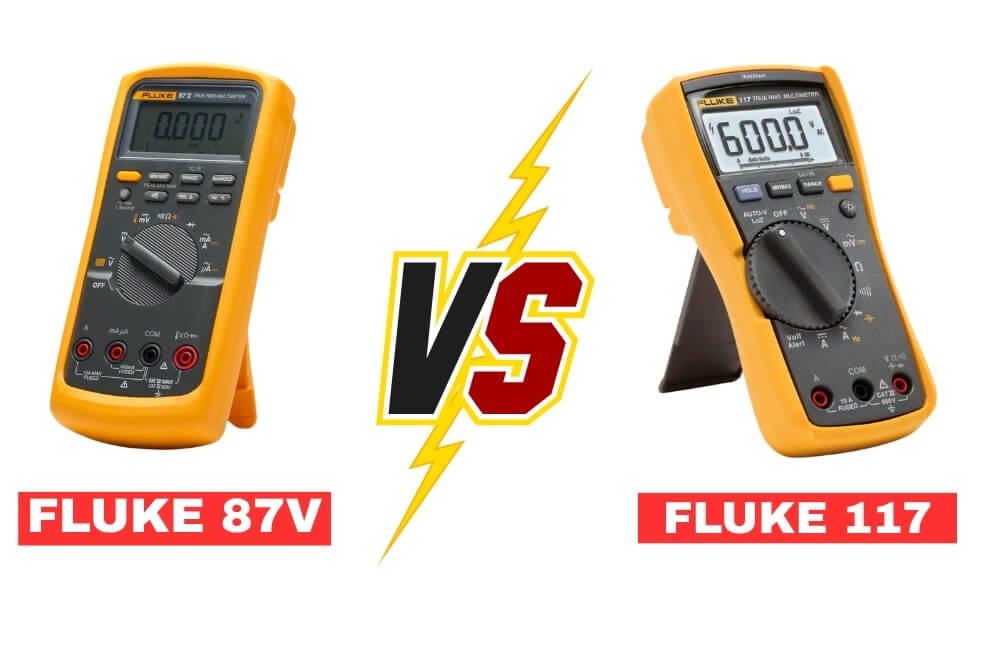
The 87V comes with an incredibly robust outer shell for harsh sites. It handles severe industrial environments without losing precision over time. Its rugged design is built for demanding industrial work environments.
The 117 also features a tough exterior suited for commercial zones. It easily survives normal knocks and bumps from a standard workbench. The heavy industrial model just provides an extra layer of structural defense.
| Feature | Fluke 87V | Fluke 117 |
| Outer Shell | Highly rugged | Tough plastic |
| Design Focus | Industrial troubleshooting | General electrical work |
| Work Environment | Industrial sites | Commercial/residential sites |
Fluke 87V Rating: 10/10
Fluke 117 Rating: 8/10
Easy upkeep keeps you working steadily. Check how to fuel these tools.
Maintenance: Fluke 87V Vs 117
The 87V runs on three standard AA cells for widespread availability. An easy-access battery door makes routine battery replacement straightforward. You spend less time worrying about power and more time working on safe tasks.
The 117 uses replaceable batteries, making routine maintenance straightforward. A standard backplate removes quickly for fast swaps on the go. Both devices require very little upkeep beyond a simple wipe down.
| Feature | Fluke 87V | Fluke 117 |
| Battery Type | 3 AA cells | Replaceable cells |
| Swap Method | Quick access door | Back plate |
| Upkeep Needs | Very minimal | Very minimal |
Fluke 87V Rating: 9/10
Fluke 117 Rating: 9/10
Getting a fair deal is always vital. See which one fits your strict budget.
Value for Money: Fluke 87V Vs 117
The 87V carries a premium price tag for heavy duty industrial users. It earns its keep when troubleshooting complex and expensive automated lines. The high accuracy justifies the extra cost for advanced technical roles.
The 117 offers a highly accessible price for everyday commercial electricians. It delivers exactly the right features for standard power checks and basic tasks. Users get massive practical value without paying for unneeded industrial modes.
| Feature | Fluke 87V | Fluke 117 |
| Price Level | Premium | Accessible |
| Target Role | Advanced tech | Electrician |
| Overall Value | High for industry | High for trades |
Fluke 87V Rating: 8/10
Fluke 117 Rating: 9/10
Making a final choice takes careful thought. Pick the right tool now.
Conclusion
The Fluke 87V Vs 117 match ends here. The 87V is better suited to industrial troubleshooting, while the 117 is designed more for electricians handling everyday electrical work. Choose the tool that best fits your daily routine and specific technical needs.
Clear answers resolve common doubts quickly. Read these fast facts.
FAQs
What is the main Fluke 87V Vs 117 difference?
The 87V handles complex industrial machinery, while the 117 focuses on standard commercial and residential electrical work.
Does either tool help reduce false readings?
Yes, the 117 features a low-input-impedance mode to help reduce false readings caused by ghost voltage.
Both are designed for professional electrical testing, but the 87V is better suited to demanding industrial troubleshooting, while the 117 is aimed more at general electrical work.
Which tool includes a non-contact voltage sensor?
The 117 includes an integrated voltage detector to help identify the presence of voltage before hands-on testing.
Which option requires less money to buy?
The 117 costs significantly less, making it a highly valuable choice for general electricians on a budget.