
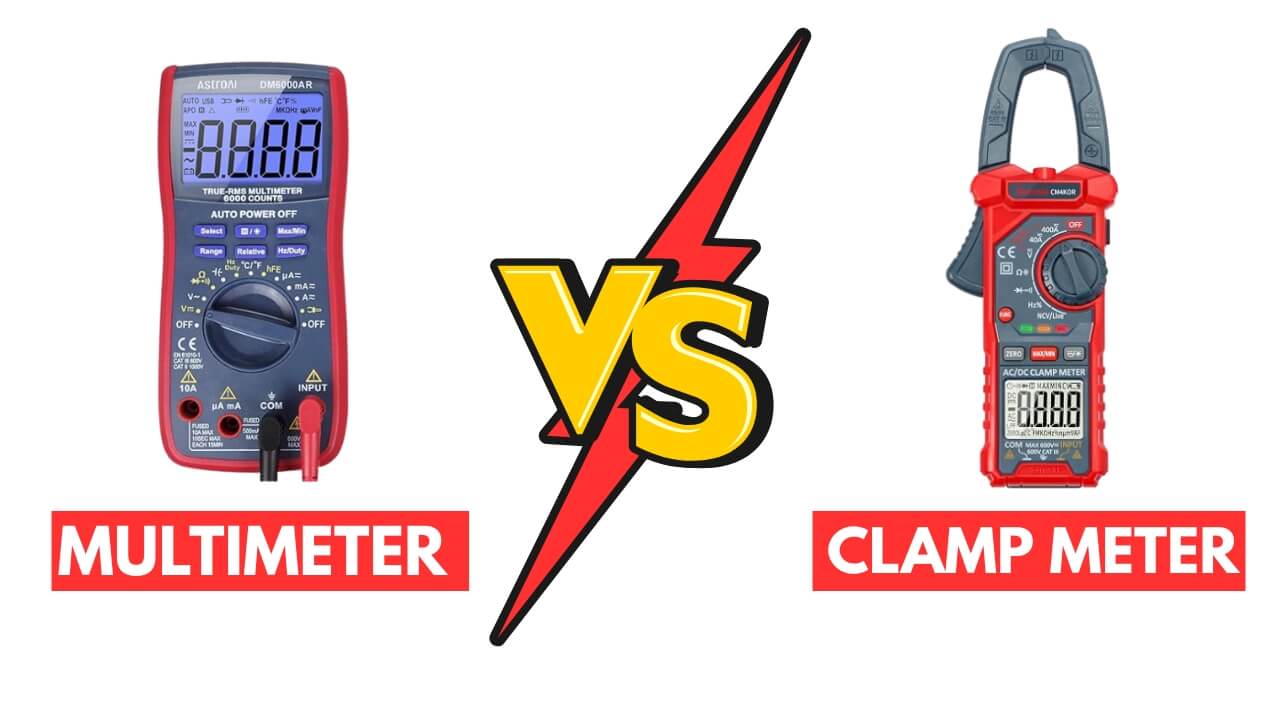
Multimeter vs Clamp Meter: 1 Epic Guide
Sparks snap in the dark room. A blown fuse brings stress and cold sweat. You need the right gear to stay safe. A choice stands out: Multimeter vs Clamp Meter. This guide helps you pick the best one for quick, safe fixes.
Get to know the classic probe tool first. It brings detail to small jobs.
Multimeter Review
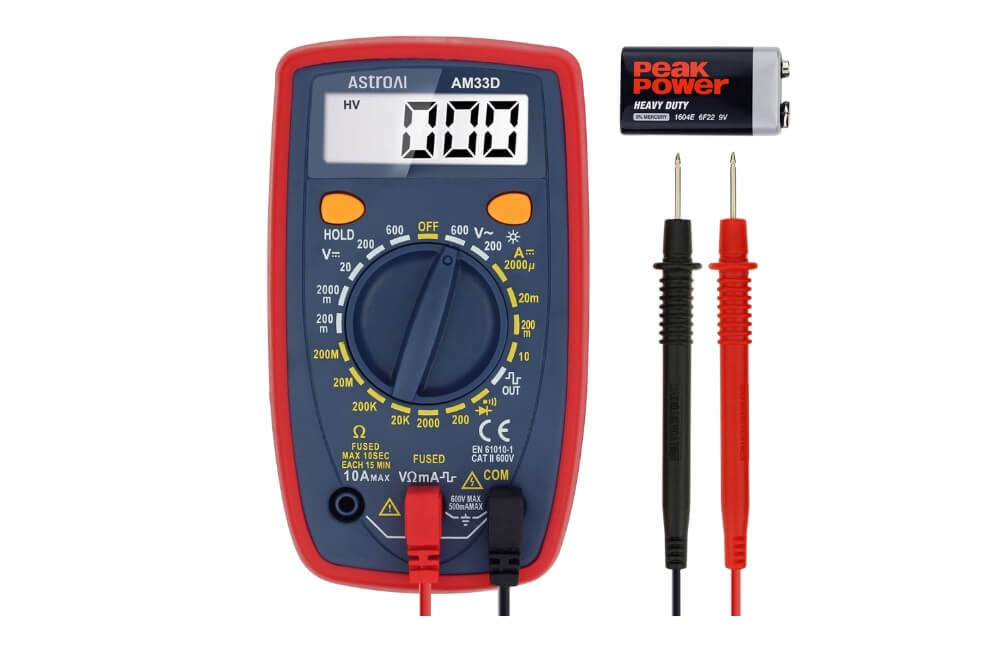
The basic tool checks tiny parts well. You touch probes to bare metal ends. It reads volts and ohms with exact numbers. It feels like a smart friend in a dark space.
Look at what works and what falls short for this gear.
Pros and Cons
Here is a quick look at the good and bad traits.
| Type | Feature | Practical Impact |
| Pro | Exact math | You see small shifts fast. |
| Pro | Low cost | You save cash for parts. |
| Con | Needs bare wire | You must cut the cord cover. |
| Con | Slow checks | You spend more time per test. |
Daily tasks show the real worth of this base tool.
Everyday Multimeter Use
This tool shines for tiny board checks. You touch a probe to a small fuse. The screen lights up with a quick number. You follow safe tool tips to block shocks.
It takes steady hands to hold both sticks. A slip can drop the reading fast. Still, the deep facts help fix odd bugs. The gear fits well in a small belt pouch.
Look at how it feels in daily tasks.
| Task | Tool Feel | End Result |
| Wall plug check | Firm and safe | Fast clear stats |
| Board test | Needs strict care | Deep fault notes |
| Wire scan | Slow and hard | Sharp exact math |
| Fuse probe | Quick touch | True clear reads |
See if this gear fits your specific tool bag.
Recommendation
Find out if this tool matches your daily work.
| User Type | Recommendation | Reason |
| New folks | Good Fit | It teaches core rules well. |
| Big wire techs | Not Ideal | It fails at huge loads. |
| Home fixers | Good Fit | It solves small odd faults. |
| Fast pro crews | Not Ideal | It takes too much time. |
Now look at the jaw tool for big fast jobs.
Clamp Meter Review
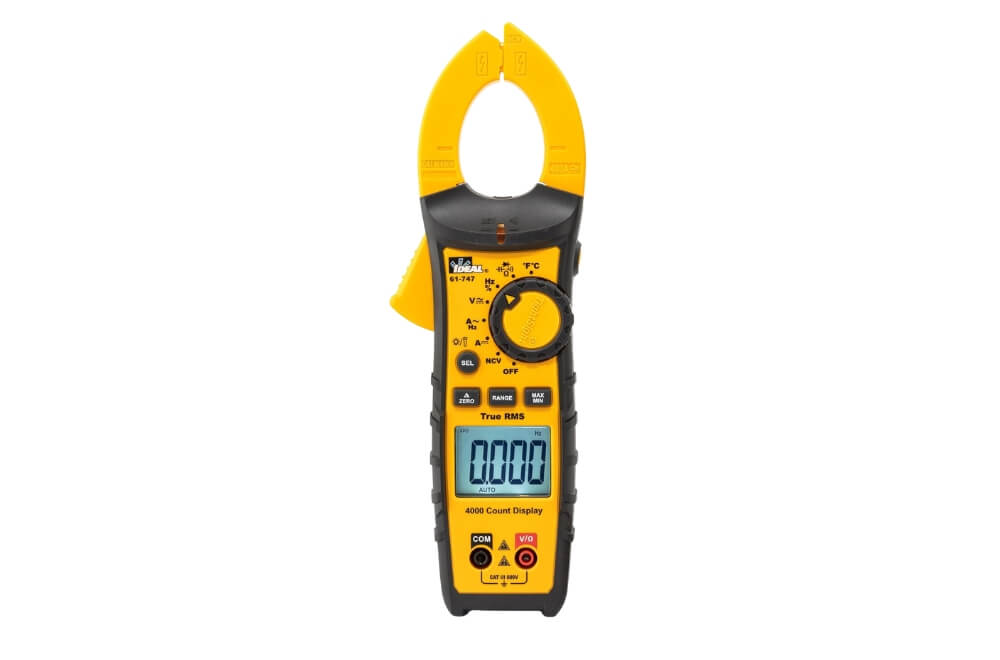
This tool has big jaws at the top end. You just hug the wire with the loop. It reads high amps with no cut cords. It keeps you safe from hot live parts.
Find out where this jaw tool wins and loses out.
Pros and Cons
See the top perks and the bad flaws here.
| Type | Feature | Practical Impact |
| Pro | Fast loops | You scan thick cords quick. |
| Pro | Safe tests | You stay far from bare volts. |
| Con | High cost | You pay a lot up front. |
| Con | Poor fine scan | You miss tiny volt drops. |
Real days on the job show its true raw power.
Everyday Clamp Meter Use
You walk up to a loud hot box. You snap the jaws near a thick cord. The screen shows the big amp draw right away. You check home power facts to find clear norms.
You do not turn off the main switch at all. The work stays fast and very smooth. The heavy feel adds trust in your firm grip. You get to the next job fast.
Here is a look at daily tool tasks.
| Task | Tool Feel | End Result |
| Main box test | Fast snap fit | Quick amp reads |
| Tiny chip scan | Clunky thick jaws | Bad and blind stats |
| Thick wire loop | Smooth and sleek | Top safe clear numbers |
| Fast site check | Very swift grip | Huge time gains |
Find out if this jaw style is your top choice.
Recommendation
Check if this big gear works for your life.
| User Type | Recommendation | Reason |
| Pro techs | Good Fit | It speeds up huge jobs fast. |
| Home fixers | Not Ideal | The big size adds weak spots. |
| Line crews | Good Fit | It reads big main power well. |
| Hobby fans | Not Ideal | It costs too much for fun. |
Match them up side by side now.
Detailed Comparison for Multimeter vs Clamp Meter
The choice boils down to a Multimeter vs Clamp Meter. The base probe tool works for fine deep checks. The jaw tool works for fast thick cord scans.
See how they act when the heat is full on.
Performance: Multimeter vs Clamp Meter
The probe tool gives crisp sharp numbers. You get exact facts on tiny bits. It reads small drops in thin wires fast. You must trust strict wire test rules.
The jaw tool reads huge waves of power fast. It scans whole home loads in one snap. Yet it skips the small fine details. It works best on huge hot main lines.
| Feature | Multimeter | Clamp Meter |
| Small volts | Great | Weak |
| Huge amps | Fails | Great |
| Deep specs | Yes | No |
| Fast scans | Slow | Fast |
Multimeter: 9/10
Clamp Meter: 8/10
Check how simple they are to hold and fast read.
Ease of Use: Multimeter vs Clamp Meter
The probe gear takes two free hands to use. You must press hard on two tiny bare points. This gets tough in a cramped dark spot. It can make a fast check take too long.
The jaw gear just needs one quick firm squeeze. You grab a cord and read the bright screen. It frees up your spare hand right away. It takes less thought to get clear facts.
| Feature | Multimeter | Clamp Meter |
| Hand use | Two hands | One hand |
| Setup speed | Slow prep | Fast snap |
| Tight spots | Hard work | Easy fit |
| Wire prep | Needs bare ends | No cuts |
Multimeter: 7/10
Clamp Meter: 9/10
Learn how tough they are when they drop hard.
Build Quality: Multimeter vs Clamp Meter
The basic tool has a light plastic hard case. Thin wires link to the two sharp probe tips. These thin lines wear out over long rough time. The screen can crack if it hits a hard floor.
The jaw tool uses thick dense hard main shells. The huge top loop takes a big hit and lives. It feels like a rock in a large firm grip. It acts tough on a rough dirt site.
| Feature | Multimeter | Clamp Meter |
| Drop test | Breaks fast | Stays whole |
| Cord wear | High risk | None |
| Case feel | Light shell | Dense rock |
| Jaw strength | None | Very high |
Multimeter: 6/10
Clamp Meter: 9/10
See what it takes to keep them in top shape.
Maintenance: Multimeter vs Clamp Meter
The probe unit needs fresh leads quite a lot. The sharp tips bend if you push too hard. You must keep the ports clean of all dust. It takes tight care to keep the math pure.
The big jaw unit stays clean for long months. You just wipe the large loop with a soft cloth. It runs well with very small daily care steps. You just swap the main cell and go work.
| Feature | Multimeter | Clamp Meter |
| Parts to swap | Leads and tips | Just the cell |
| Dust risk | High in ports | Very low |
| Wipe down | Hard task | Fast swipe |
| Upkeep cost | Can get high | Very low |
Multimeter: 6/10
Clamp Meter: 9/10
Look at which one saves you more hard cash.
Value for Money: Multimeter vs Clamp Meter
The probe box costs very little cold hard cash. You get a ton of facts for small change coins. It helps you fix a lot of home faults fast. It acts as a cheap friend for all small tasks.
The jaw tool asks for a large sum up front. It saves huge time on big loud pro site tasks. The high cost pays back if you work on main lines. It serves pro crews the absolute best.
| Feature | Multimeter | Clamp Meter |
| Start cost | Very low | Very high |
| Pro payback | Slow speed | Fast gain |
| Home value | Great pick | Too much |
| Fix reach | Small bits | Big lines |
Multimeter: 9/10
Clamp Meter: 7/10
Time to close the book on these two tools.
Conclusion
The choice of a Multimeter vs Clamp Meter depends on the job. Pick the basic probes for fine cheap home work. Grab the big jaw tool for quick thick line checks. Stay safe out there and test all wires twice.
What is the main difference in a Multimeter vs Clamp Meter?
The probe tool checks small things. The jaw tool checks big live cords.
Which one is safer to use?
The jaw tool wins for safety. You do not touch live bare wires.
Can a clamp check small drops?
It lacks fine scale for that. The probe tool does a much better job.
Which is best for home use?
The probe unit helps most at home. It tests small fuses and toys well.
Is cost a big deal here?
Yes, it is. The jaw style costs more cash. The basic style saves you money.